
In wood-based panel production lines, Storage Belts are widely used for material storage, transportation and controlled feeding.
MDF, HDF, Particle Board and OSB production involves different types of wood materials, including chips, flakes, particles and fibers. These materials can create continuous friction, impact and abrasion on the conveyor belt.
For this reason, selecting the right belt material is an important part of maintaining stable operation and controlling long-term maintenance costs.
Among the commonly used belt materials, PU (Polyurethane) and PVC (Polyvinyl Chloride) are two important options.
The right choice depends not simply on belt price, but on the actual working conditions of the production line.
A storage conveyor may operate continuously for long periods while handling large quantities of wood materials.
The belt needs to withstand factors such as:
An unsuitable belt can result in premature wear, belt tracking problems, frequent maintenance and unexpected production downtime.
Therefore, belt material selection should be based on application requirements rather than price alone.
PVC conveyor belts are widely used in industrial material handling applications and can provide a cost-effective solution for many standard wood-based panel applications.
PVC belts generally offer a more economical initial investment, making them suitable for projects where cost efficiency is an important consideration.
For relatively normal loads and moderate abrasion conditions, a properly selected PVC belt can provide reliable conveying performance.
PVC belts are available in different thicknesses, structures and surface designs to meet different conveyor requirements.
For conventional storage and conveying applications, PVC can provide a good balance between performance and purchase cost.
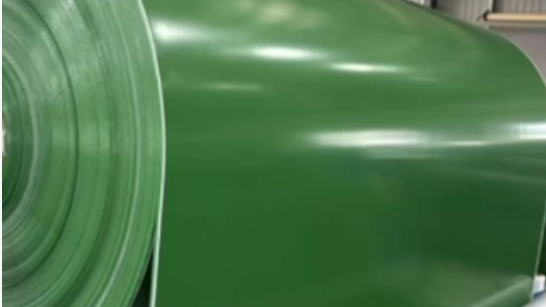
PU, or polyurethane, is known for its good abrasion resistance, mechanical strength and flexibility.
For applications involving higher wear or more demanding operating conditions, PU can offer additional performance advantages.
Wood chips, flakes and fibers continuously contact the belt surface during transportation.
PU generally offers strong abrasion resistance, which can help extend belt service life in demanding applications.
Larger wood chips or irregular materials can generate impact and localized mechanical stress.
A suitable PU belt structure can provide better resistance to mechanical damage.
PU belts can offer good flexibility when repeatedly bending around pulleys and rollers.
For high-frequency operation, higher material loads or applications where longer maintenance intervals are important, PU can be an attractive option.
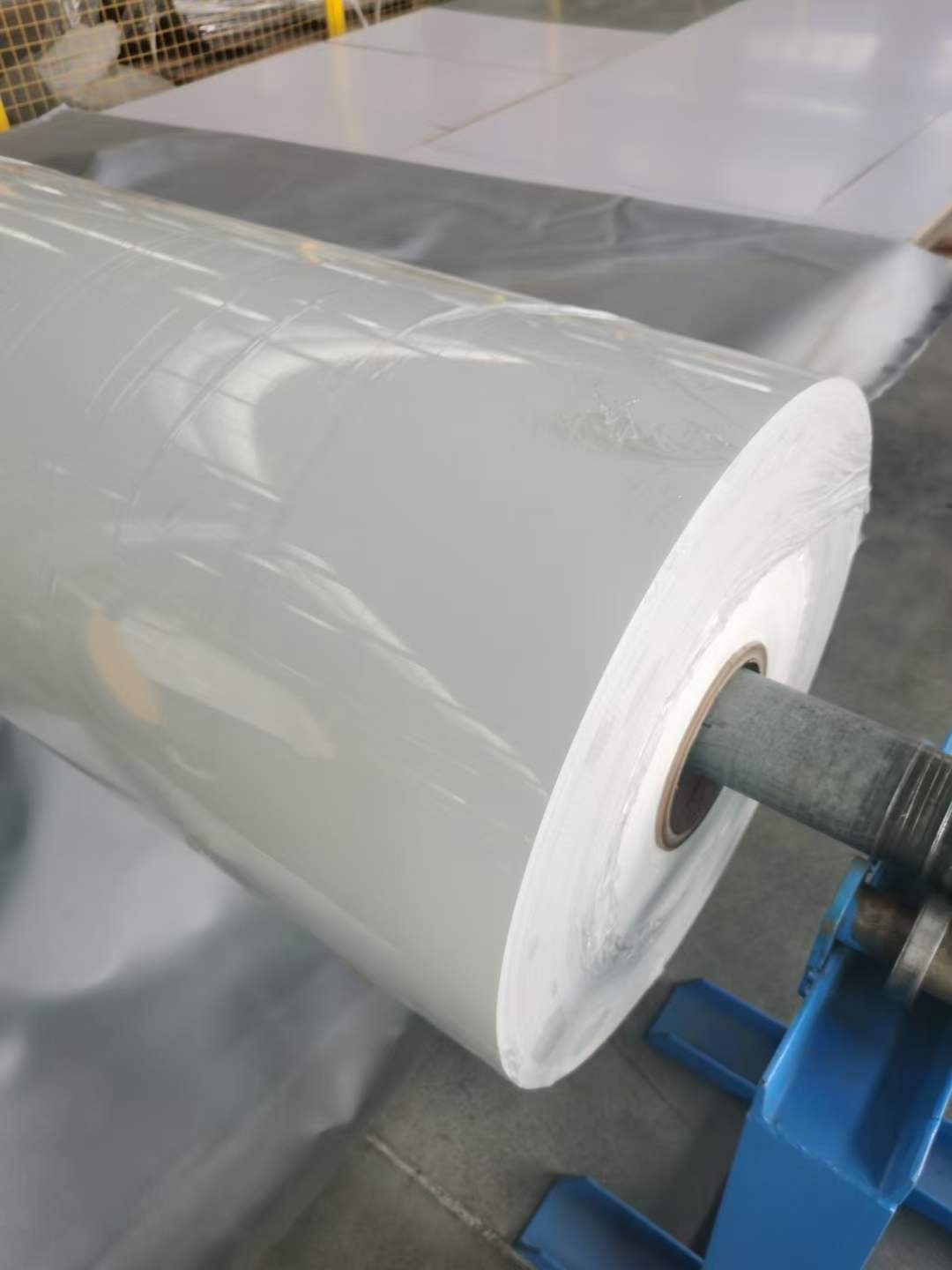
| Performance Factor | PU Belt | PVC Belt |
|---|---|---|
| Wear Resistance | Excellent | Good |
| Mechanical Strength | Excellent | Good |
| Flexibility | Excellent | Good |
| Standard Conveying | Excellent | Excellent |
| Heavy-Duty Applications | Highly Suitable | Depends on Belt Structure |
| High-Abrasion Materials | Highly Suitable | Suitable for Standard Conditions |
| Initial Cost | Higher | More Economical |
| Potential Service Life | High | Moderate to High |
| Cost Performance | Excellent for demanding applications | Excellent for standard applications |
It is important to note that actual belt performance depends on more than the basic material.
Factors such as belt thickness, reinforcement structure, surface design, joint type, manufacturing quality and conveyor conditions can all influence service life.
Wood chips can have relatively large and irregular shapes and may create significant impact and abrasion during transportation.
For high-load or high-abrasion applications, a PU belt may provide better durability.
For standard storage systems with moderate loads, a suitable PVC belt can also be an economical solution.
Particle Board production involves continuous transportation of wood particles.
For conventional conveying conditions, PVC can provide a practical solution.
For high-volume production, extended operating hours or higher wear requirements, PU may provide additional service-life advantages.
MDF and HDF production involves the handling of fine wood fibers and dust.
In these applications, belt selection should consider not only material but also:
Therefore, the choice between PU and PVC should be based on the complete operating environment.
One of the most important considerations when selecting a storage belt is the difference between purchase price and total operating cost.
A lower-cost PVC belt may provide an excellent solution under standard working conditions.
However, if the operating environment causes rapid wear, frequent replacement may increase:
A PU belt may have a higher initial cost, but its wear resistance and mechanical performance can make it more economical over a longer operating period in demanding applications.
Therefore, customers should consider:
Initial Cost + Service Life + Maintenance Cost + Downtime Risk
rather than comparing purchase prices alone.
HUATAO provides storage and conveyor belt solutions for wood-based panel production lines.
Depending on the application, we can recommend suitable belt structures and materials based on:
Our storage belt solutions can be used in:
For conventional applications, PVC Green Storage Belts can provide a practical and economical solution.
For applications requiring higher wear resistance and mechanical performance, PU Storage Belts can be considered according to the actual equipment conditions.
A practical belt selection process should consider:
Material Type
↓
Material Load
↓
Impact and Abrasion
↓
Conveyor Design
↓
Belt Speed
↓
Operating Hours
↓
Required Service Life
↓
PU or PVC Material Selection
This approach helps customers select a belt based on actual production requirements rather than simply choosing the lowest purchase price.
Both PU and PVC Storage Belts can be used in wood-based panel material storage and conveying systems, but their advantages are different.
PVC Storage Belts are generally well suited to standard conveying applications where cost efficiency and reliable basic performance are important.
PU Storage Belts can be a better choice for applications requiring higher abrasion resistance, mechanical strength and long-term durability.
For MDF, HDF, Particle Board and OSB production lines, the best belt should always be selected according to the material, equipment design and operating conditions.
HUATAO can evaluate customer requirements based on equipment specifications, technical drawings or existing belt samples and recommend a suitable PU or PVC Storage Belt solution.
HUATAO Wood-Based Panel Machinery Co., Ltd.
Email: bella@huataogroup.com
WhatsApp / Tel: +86 17731169773
Website: www.woodpanelmachinery.com
#HUATAO #PUStorageBelt #PVCStorageBelt #PUBelt #PVCBelt #PUBeltVsPVCBelt #MaterialStorageBelt #WoodBasedPanelMachinery #MDFProductionLine #HDFProductionLine #ParticleBoardProduction #OSBProduction #ConveyorBelt #StorageConveyor #WoodPanelMachinery #IndustrialBelt #MaterialHandling #ConveyorSystem
can not be empty
can not be empty

HUATAO WOOD PROCESSING BELT Co., Ltd
ADD : No.298 Zhonghua North Street, Shijiazhuang 050000 China.
TEL : +86 0311 80690567
EMAIL :bella@huataogroup.com
Web: www.huataobelt.com
 WhatsApp & WeChat : +86 17731169773